


Food & Beverage
Baking Enzyme Blend
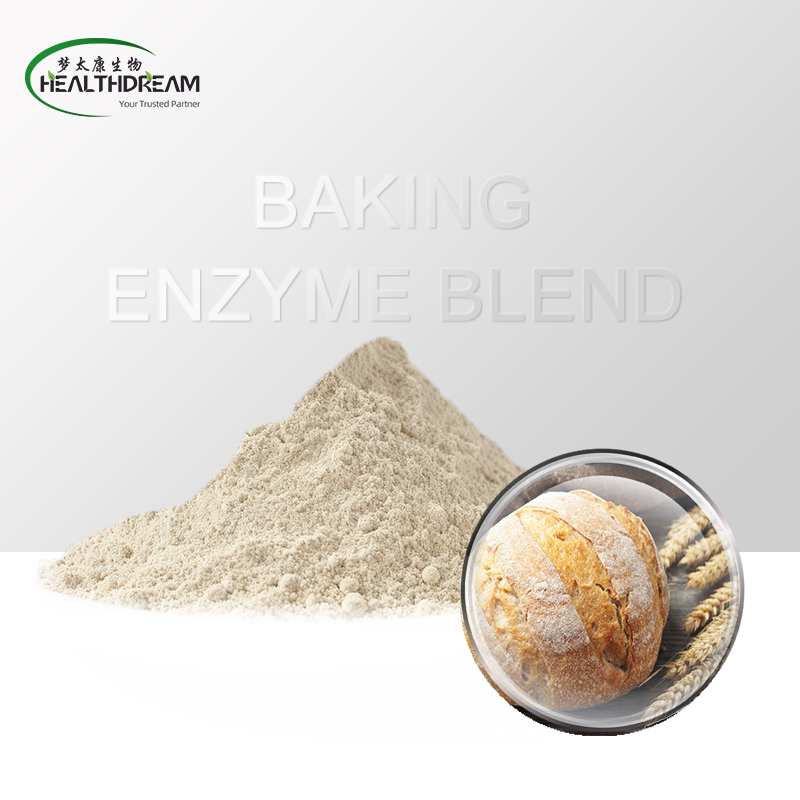
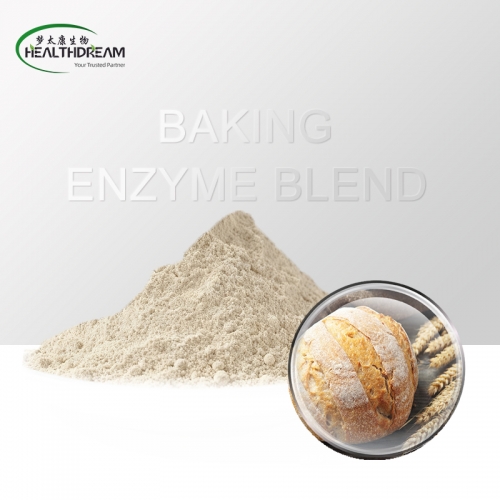
This baking enzyme blend is a white to pale yellow powder formulated with fungal α-amylase, glucose oxidase, xylanase, maltogenic amylase, ascorbic acid, sodium stearoyl lactylate, and starch. It is primarily applied in the production of a wide variety of
Description

What is a baking enzyme?
Baking enzymes are a type of enzyme preparation used in the production of baked foods. They regulate biochemical reactions in dough to improve dough processing properties and the quality of finished products. They help optimize dough structure, fermentation, and baking performance, contributing to improvements in product volume, texture, taste, and appearance.

| Product | Baking Enzyme Blend |
| Appearance | White to pale yellow powder |
| Odor | Normal, slight fermentation odor |
| Optimal Temperature | 40°C - 50°C |
| Optimal pH | 5.5 - 6.5 |
| Recommended Dosage | 100 - 150g per 100kg of flour |
| Certifications | ISO9001, FSSC22000, etc. |
| Packaging | 10kg/carton, 25kg/drum |
| Shelf Life | 12 months |
| Storage | Store in a cool, dry, and well-ventilated place |

Optimized Dough Structure: The synergistic action of multiple enzymes improves dough rheological properties and gas retention, helping maintain good elasticity during baking, promote sufficient expansion, and create a fuller finished product.
Improved Internal Structure: Precisely regulates the gluten network to promote a uniform and fine crumb structure, resulting in a more even texture, soft mouthfeel, and improved overall appearance and eating quality.
Enhanced Water Retention: Regulates starch structure and water distribution to improve moisture retention, helping slow starch retrogradation and quality deterioration while maintaining better softness during storage.
Improved Process Stability: The synergistic action of multiple enzymes helps maintain dough stability during processing and fermentation, reducing the impact of varying production conditions and improving consistency in finished baked products.

Versatile Bread Formulations: Suitable for various flour and dough formulation systems, with flexible application according to product formulations and processing requirements.
Dough Processing: Applicable to dough mixing, shaping, proofing, and other processing stages to meet the requirements of different baking processes.
Bread & Baked Products: Suitable for the processing of various bread and baked food products, supporting product formulation and process optimization.
Large-Scale Baking Production: Suitable for both conventional and large-scale bread production, facilitating integration into standardized production processes and supporting consistent processing.

Q1. Are enzymes in bread safe?
A: In general, bread enzymes that meet food safety standards and are used in accordance with regulations are considered safe. During baking, most enzymes lose their activity due to high temperatures, so they are unlikely to remain in their original active form in significant amounts in the finished product. Their protein components are also naturally broken down during digestion.
Q2. What enzyme is put in flour?
A: Enzymes commonly used in flour include α-amylase, xylanase, protease, and glucose oxidase, each serving a different purpose. For example, α-amylase helps regulate starch breakdown, xylanase improves dough processing properties, protease modifies gluten characteristics, and glucose oxidase helps strengthen dough structure. The specific enzyme used generally depends on the characteristics of the flour and the processing requirements of the final baked product.
Q3. Why are they putting enzymes in bread?
A: Enzymes are added to bread mainly to improve process control and product consistency. They act on specific components in flour to optimize its functional properties, making the dough easier to process and helping maintain greater stability and consistency across different production batches.
Q4. Are bread enzymes healthy?
A: Baking enzymes are primarily used as food processing aids. When properly used, they do not reduce the nutritional or health value of bread. By improving bread quality, texture, and storage stability, baking enzymes can support better food processing outcomes. Therefore, the proper use of baking enzymes is generally compatible with a healthy diet.
Q5. Which bread additives should be avoided?
A: When choosing bread, you may pay closer attention to certain controversial, excessive, or unnecessary additives, such as potassium bromate, some synthetic emulsifiers, and chemical preservatives. In contrast, properly used baking enzymes have specific processing functions and are generally considered safe when they meet food safety standards and are used at permitted levels.
